

TL;DR – Traditional SEO focused on rankings, keywords, and organic traffic. AI-powered search engines like ChatGPT, Google AI Overviews, Gemini, and Perplexity are changing the game by delivering direct answers instead of lists of links. To remain visible, brands must shift from keyword-focused content creation to authority-driven, entity-based, and AI-friendly content workflows. Success is no longer measured solely by rankings and clicks but by citations, mentions, answer visibility, and brand authority across AI-generated responses.
How to Redesign SEO Content
For more than two decades, SEO revolved around a familiar formula: identify keywords, create optimized content, build backlinks, and climb search rankings. Success was measured by organic traffic, click-through rates, and keyword positions.
Today, that formula is rapidly evolving.
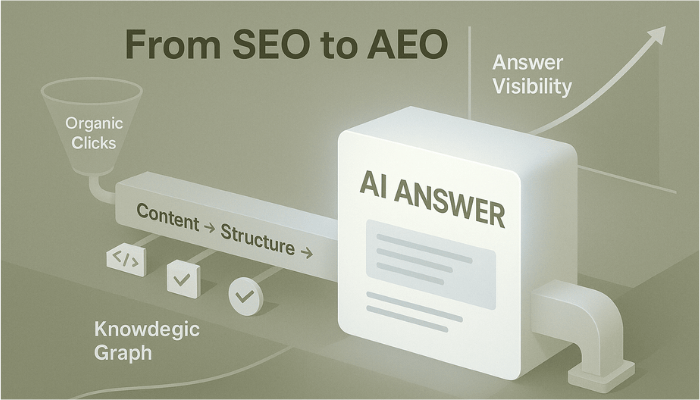
The rise of AI-powered search experiences such as Google AI Overviews, ChatGPT Search, Perplexity, and Gemini has fundamentally changed how users discover information. Instead of clicking through multiple search results, users increasingly receive instant, synthesized answers directly within AI interfaces. As a result, visibility is no longer just about ranking first—it is about becoming the source AI systems trust and cite.
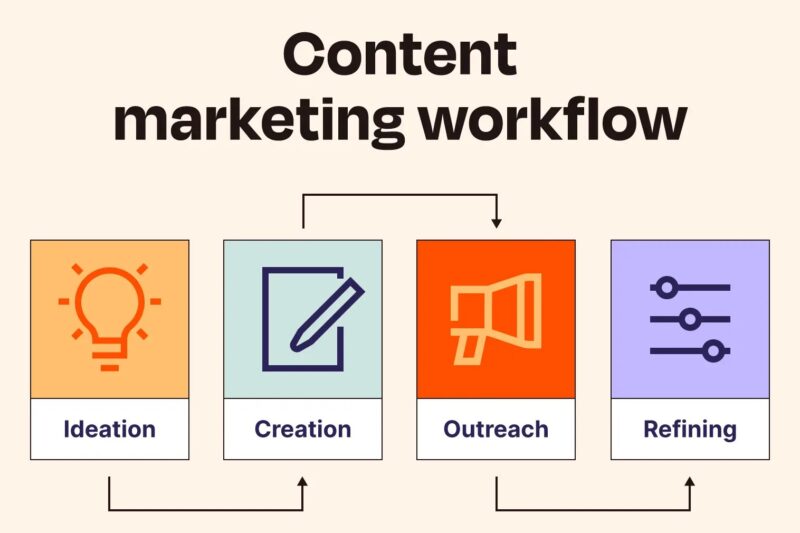
This shift requires marketers, content teams, and SEO professionals to rethink their entire content workflow.
Why Traditional SEO Is No Longer Enough
AI search engines operate differently from traditional search engines. While conventional SEO focused on matching keywords with search queries, generative AI systems prioritize context, authority, relationships between topics, and trustworthy information sources.
The goal is no longer simply to appear in search results. The goal is to become part of the answer.
Research and industry observations show that AI-generated search experiences are reducing click-through behavior, creating a growing number of “zero-click” interactions where users receive answers without visiting websites. This trend is reshaping how brands earn visibility online.
As AI becomes the intermediary between businesses and consumers, brands must focus on ensuring their expertise is discoverable, understandable, and trustworthy to AI systems.
The New SEO Mindset: From Rankings to Answer Authority
The biggest change in modern SEO is the shift from ranking authority to answer authority.
In traditional SEO, the objective was:
- Rank on Page One
- Drive organic traffic
- Optimize for search algorithms
In AI-driven search, the objective becomes:
- Get cited in AI-generated responses
- Establish expertise and trust
- Influence AI-generated recommendations
Industry experts increasingly describe this transition as moving from “ranking for clicks” to “ranking for citations.” AI systems evaluate content based on credibility, clarity, structure, and topical expertise rather than keyword density alone.
How to Redesign SEO Content Workflows
1. Shift from Keyword Research to Knowledge Modeling
Keywords still matter, but they are no longer the primary organizing principle for content strategy.
AI models understand entities, relationships, and context. Instead of creating isolated articles targeting individual keywords, organizations should build interconnected content ecosystems around core topics and expertise areas.
For example, a CRM software company should not only create content around “CRM integrations” but also connect related concepts such as customer data management, workflow automation, sales processes, and customer retention.
This approach helps AI systems understand the breadth and depth of a brand’s expertise.
2. Prioritize Authority Over Content Volume
For years, many SEO strategies emphasized publishing large quantities of content.
AI search changes that equation.
Generative systems increasingly reward content that demonstrates expertise, includes credible references, and presents verifiable information. Quality signals often outweigh sheer publishing frequency.
Content teams should establish an AI-readiness checklist that includes:
- Expert author attribution
- Fact-checked information
- Original research and insights
- Reliable citations
- Clear sourcing
- Demonstrated experience
The future belongs to brands that publish authoritative content, not merely more content.
3. Structure Content for AI Consumption
AI systems favor content that is easy to interpret and extract.
Content should be organized using:
- Clear headings and subheadings
- FAQ sections
- Lists and bullet points
- Concise summaries
- Schema markup
- Structured data
Well-structured content improves readability for both humans and AI systems, increasing the likelihood of being cited in generated answers.
4. Create Continuous Feedback Loops
Traditional SEO campaigns often relied on quarterly reviews and long optimization cycles.
AI search requires a more agile approach.
Content teams should continuously monitor:
- Which topics generate AI citations
- How competitors appear in AI answers
- Emerging user questions
- Brand mentions across AI platforms
Regular content refreshes and iterative improvements help maintain visibility as AI models evolve.
Building an AI-Ready Content Team
The future of SEO will require closer collaboration between content, SEO, PR, branding, and customer experience teams.
Successful organizations will:
- Build strong topical authority
- Publish original research
- Invest in expert-led content
- Strengthen brand reputation
- Improve structured data implementation
- Continuously test and optimize content formats
The most effective content workflows will blend traditional SEO best practices with AI optimization strategies rather than replacing one with the other.
The Future of Search Is About Trust
AI is not eliminating SEO—it is redefining it.
The future belongs to brands that can demonstrate expertise, authority, and trustworthiness across every piece of content they publish. Search visibility is evolving from a race for rankings into a competition for credibility.
As AI-powered search becomes the primary gateway to information, businesses must rethink how content is planned, created, structured, and measured. The winners will not be the brands producing the most content. They will be the brands that become the most trusted sources of knowledge.
In the age of AI answers, being searchable is no longer enough. Your brand must become the answer itself.
FAQs
-
How is AI search different from traditional search engines?
Traditional search engines display a list of ranked web pages based on relevance and authority, requiring users to click through for information. AI search platforms, such as ChatGPT, Google AI Overviews, and Perplexity, generate direct answers by synthesizing information from multiple sources. This means brands must focus on becoming trusted sources that AI systems reference and cite.
-
What changes should businesses make to their SEO content strategy for AI search?
Businesses should move beyond keyword-focused content creation and develop comprehensive topic clusters, demonstrate subject matter expertise, use structured content formats, and publish authoritative insights. The goal is to build topical authority and increase the likelihood of being featured in AI-generated answers.
-
Why is content authority more important than content volume in the AI era?
AI systems prioritize content that is accurate, trustworthy, well-structured, and supported by credible sources. Publishing large volumes of low-value content is less effective than creating fewer, high-quality pieces that showcase expertise, original research, and real-world experience.
-
How can I optimize content to be cited in AI-generated answers?
To improve AI visibility, create content with clear headings, concise explanations, FAQs, bullet points, structured data, and factual information. Additionally, strengthen your brand’s authority through expert contributions, reputable backlinks, and consistent topical coverage across related subjects.
-
What metrics should marketers track in an AI-driven search landscape?
While traditional SEO metrics like rankings and organic traffic remain valuable, marketers should also monitor AI citations, brand mentions in AI responses, answer visibility, semantic topic coverage, and AI referral traffic. These metrics provide a clearer understanding of how often and effectively a brand appears in AI-generated search experiences.